
Month: February 2025

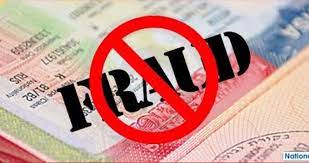
Beware of Ghost Consultants: Protect Yourself from Immigration Fraud


Steps to Renew PR Card While Working for a Canadian Company Abroad


Renew PR Card

Working abroad for a Canadian company can be an exciting opportunity, but keeping your permanent resident status active is just as important. If your PR card is nearing expiration, renewing it is essential to maintain your residency status in Canada. This renewal process might feel complicated, especially while overseas, but understanding each step can make it manageable.

For those employed by a Canadian company outside Canada, specific rules apply when it comes to renewing your PR card. Meeting the residency obligations and gathering the right documentation are key parts of the process. 

Even though you’re far from home, staying informed and prepared ensures that your return to Canada remains hassle-free. This guide will help you navigate through the important steps you need to take.

Understanding the PR Card Renewal Process

Renewing your PR card while you’re working for a Canadian company abroad is critical. This card serves as a proof of your permanent resident status in Canada and is necessary for re-entry into the country. When your PR card is about to expire, it’s crucial to start the renewal process on time to avoid any interruptions in your ability to travel back to Canada.

For those employed by a Canadian company outside Canada, certain eligibility criteria must be met to renew the PR card. It’s important to demonstrate a strong and ongoing relationship with the Canadian employer. 

This counts towards your residency obligation, which requires maintaining a physical presence in Canada for at least 730 days in the last five years or having equivalent work experience abroad with a Canadian entity. Understanding these obligations is essential because failing to meet them could impact your permanent residence status.

Plus, staying compliant with these residency requirements not only reinforces your PR status but also smoothes the way for benefits and conveniences associated with being a permanent resident of Canada. Recognizing the importance of maintaining these connections ensures that your ties to Canada remain strong, allowing you to return smoothly when needed.

Preparing Your Renewal Application

To prepare your PR card renewal application, you’ll need to compile several important documents. These documents serve as proof of your ongoing relationship with your Canadian employer and affirm your eligibility for renewal. Include:

  1. A valid passport or travel document.

  2. Employment letters from your Canadian employer, detailing the nature and length of your work.

  3. Proof of Canadian company registration, showing they’re a legitimate Canadian entity.

  4. Any travel paperwork that accounts for time spent outside Canada.

While gathering these documents, applicants often face challenges like providing sufficient evidence of employment. It’s helpful to secure detailed, up-to-date letters from your employer that clearly indicate your job role, duration, and location of your work assignment. Collecting this documentation ensures that your application is complete and addresses all residency obligations.

When completing the online application form, accuracy is key. Make sure your personal details match those on your supporting documents. Double-check all fields to avoid errors that could delay processing.

Since the application is online, always keep copies of your submissions for your own records. This helps if any discrepancies arise and assures that you’ve provided all required information.

Submitting Your PR Card Renewal Application

Once you’ve gathered all the necessary documents, submitting your PR card renewal application is your next step. All applications are processed online through the official immigration portal, simplifying the procedure considerably. 

First, create an account or log in to your existing one. Then, ensure all your documents are scanned and attached in the correct formats as specified.

Begin filling out the online application, carefully inputting all the details to match the information in your supporting documents. Before submitting, double-check each section for accuracy to prevent any delays.

Once your application is complete, pay the processing fee of approximately CAD 50, which can be done online. These fees must be paid before the application is processed, so keep records of all payments made.

After submission, you can generally expect to wait several weeks for processing. Use this time to track your application’s progress through the online system. Tracking allows you to be aware of any updates or requests for further documentation promptly. This vigilance ensures that you’re responsive should your presence or additional verification be required.

Addressing Potential Challenges and Next Steps

Even with meticulous preparation, you might face challenges during your PR card renewal process. One common issue for applicants working abroad is meeting the residency obligation. If you’ve not spent the required 730 days in Canada and rely on employed duration with a Canadian company, ensure all supporting documents are robust and detailed.

Should your application face potential denial or complications, explore options like appealing the decision or applying for reconsideration. You might also be issued a Procedural Fairness Letter (PFL) if you have doubts about meeting requirements. If this happens, respond promptly with clear explanations and any additional proof that could support your case.

Planning ahead is critical. Carefully document all your stays outside Canada and maintain good communication with your employer to ensure documentation can be quickly accessed. Should any challenges arise during the process, a well-documented history will aid in resolving them effectively.

Conclusion

Renewing your PR card while working overseas for a Canadian company might seem challenging, but with thorough preparation and careful attention to detail, it can be a smooth process. 

By understanding the requirements and gathering the right documents, you lay a strong foundation for a successful application. Staying alert to the renewal timelines and engaging with the process actively are both vital steps. If you encounter issues, knowing the options available and responding promptly can make all the difference.

If you’re ready to ensure your PR card renewal process is as smooth as possible, reach out to Doherty Fultz Immigration. Our team is equipped to assist with your specific situation and can provide guidance tailored to your needs. 

Whether you’re confronting unique challenges or simply need support, we’re here to help you navigate the process efficiently.

Navigate Section 44 of IRPA: Expert Immigration Guide


Section 44 of IRPA

Receiving a report under Section 44 of the Immigration and Refugee Protection Act can be a stressful experience. This report suggests that a person might be inadmissible to Canada, triggering a review of their immigration status. For permanent residents or foreign nationals in Canada, this could mean facing serious consequences, such as removal from the country.

Understanding the process and knowing how to respond can help mitigate the impact of such a report. A Section 44 report serves as a critical moment where one must assess one’s situation and take prompt action. It’s essential to understand why the report was issued and the steps that follow, including possible hearings and the chance to provide supporting evidence.

Gaining clarity on this process and knowing your options can significantly impact the outcomes of an admissibility hearing. Being informed at every stage helps prepare individuals for what lies ahead and maximizes their chances of a favourable resolution.

Understanding Section 44 of the Immigration and Refugee Protection Act

A report under Section 44 of the Immigration and Refugee Protection Act is an official document prepared by a Canadian immigration officer when there are concerns about whether a person is admissible to Canada. 

This report can apply to both permanent residents and foreign nationals who are suspected of violating immigration laws or regulations. Once issued, this report prompts further investigation to determine if the individual poses a threat or has breached certain legal conditions.

The implications of receiving a Section 44 report can be significant. For permanent residents, it may mean facing an admissibility hearing, where the possibility of losing their status and receiving a removal order becomes real. Foreign nationals might also experience delays or prohibitions when entering Canada. Understanding these risks is crucial in proactively managing the outcomes of such a report.

Common reasons for the issuance of a Section 44 report include criminal activity, security concerns, violations of human or international rights, involvement in organized crime, or health-related issues posing a public risk. 

Each scenario requires careful legal navigation, as the stakes involve retaining the right to stay in Canada. Recognizing these factors aids in preparing for what lies ahead.

Immediate Steps to Take After Receiving a Section 44 Report

Upon receiving a Section 44 report, it’s imperative to act swiftly and with foresight. The initial actions taken can dramatically influence the proceeding results. Here are the primary steps to consider:

  • Review the Report: Carefully read the report to understand the grounds cited for inadmissibility. Assess how it applies to your current situation.
  • Seek Legal Counsel: Contact an immigration lawyer or regulated immigration consultant. These experts can provide important guidance on handling your case.
  • Document Gathering: Start collecting relevant documents to support your case. These may include:
  • Personal identification documents
  • Evidence of your ties to Canada, like family ties or work commitments
  • Proof of any corrective actions taken if accused of a violation
  • Build Your Defence: Work with legal professionals to develop a comprehensive response to the allegations. This includes establishing a timeline and listing potential supporting testimonies.
  • Plan Your Next Moves: Decide if you’ll need additional services, like a language translator or expert witnesses, and clarify the timeline for future steps.

Recognizing the need for professional advice is crucial, as immigration laws are complex and require expert interpretation. Legal representation ensures that your interests are defended effectively and increases your chances of a favourable outcome. 

Promptly addressing each point in the Section 44 report helps lay the groundwork for success in subsequent proceedings.

Navigating the Admissibility Hearing

Once a Section 44 report is issued, an admissibility hearing is often the next step. This hearing is where the Immigration and Refugee Board of Canada (IRB) examines the reasons for your potential inadmissibility. 

The hearing is your chance to present your case, and it’s essential to be well-prepared. Understanding the hearing’s purpose is crucial: it determines if you can maintain your status in Canada or if a removal order will be issued.

Preparing for the admissibility hearing involves several critical steps. Begin by reviewing all the evidence and documentation related to your case. Make sure to gather any new information that might support your stay in Canada. Organize witness testimonies, letters of support, or employment records that highlight your ties to the community. Presenting a solid defence relies on this preparation.

During the hearing, focus on clarity and honesty. Articulate your arguments clearly and answer questions from the adjudicator with precision. The outcomes of the hearing can vary. If the decision is favourable, you retain your status in Canada. 

If it’s not, you might face a removal order, leading to further legal processes. Knowing these potential outcomes helps you plan your next steps effectively.

Options After the Admissibility Hearing

If the admissibility hearing does not end in your favour, several options remain available. First, you can consider filing an appeal. This process involves requesting a review of the decision by the Immigration Appeal Division (IAD). Preparing for an appeal typically requires showing how the initial decision overlooked crucial information or was unjustly made.

Another avenue is seeking a judicial review by the Federal Court of Canada. This option involves a legal challenge to the hearing’s decision based on procedural fairness or errors in law. Although complex, a successful judicial review could lead to another hearing.

For those facing removal, humanitarian and compassionate considerations may provide relief. This application highlights the potential hardship a removal could cause, emphasizing matters like family ties and the best interest of any children involved.

Regardless of the path chosen, maintaining compliance with residency obligations during this period is imperative. Careful planning and legal guidance help navigate these hurdles, preserving the possibility of remaining in Canada.

Conclusion

Dealing with a report under Section 44 of the Immigration and Refugee Protection Act can be daunting. It’s a process that requires careful navigation, starting with understanding the report’s implications and leading through potential hearings and appeals. At each stage, prepared defences, solid documentation, and expert advice can make a significant difference.

If you’re facing challenges with your immigration status or any related matters, Doherty Fultz Immigration is here to assist. Our team of regulated immigration consultants in Toronto provides comprehensive support tailored to your unique situation. 

Reach out to us for guidance, ensuring your journey through Canada’s immigration system is as smooth as possible!

Understanding Canadian Citizenship for Children of Canadian Parents


Canadian citizenship offers many opportunities and a sense of belonging, especially for children of Canadian parents. Understanding how citizenship works for these children, particularly those born abroad, is crucial for parents navigating the process. While the process might seem complicated at first, it is designed to ensure that children receive the benefits and protections associated with Canadian citizenship.

Many parents find themselves asking how their children can acquire Canadian citizenship through descent. Knowing the eligibility criteria and understanding the necessary steps can ease the journey, ensuring that children born to Canadian parents abroad are recognized formally as Canadian citizens. As you learn about this process, you’ll discover it is more manageable than it might appear.

Canadian Citizenship Through Descent

Canadian citizenship through descent is an important avenue for children of Canadian parents, especially those born outside Canada. To be eligible, at least one biological or legal parent must have been a Canadian citizen at the time of the child’s birth. This parent might have acquired citizenship either by birth in Canada or through descent, provided they meet the necessary residency requirements.

Obtaining a citizenship certificate is the formal way to prove a child’s Canadian citizenship by descent. This document is essential for accessing many rights and benefits associated with Canadian citizenship. Parents should start the process by gathering the required documents, which include the child’s birth certificate, proof of the parent’s Canadian citizenship, and any relevant adoption papers if applicable.

Here is a checklist of documentation typically needed:

– Child’s Birth Certificate: This should clearly show the name of the Canadian parent.

– Proof of Parent’s Citizenship: This could be the parent’s Canadian citizenship certificate, passport, or birth certificate.

– Adoption Records: If the child was adopted, legal adoption papers are necessary.

The process involves submitting these documents online through the official government portal. Processing times can vary, so it’s wise to apply well in advance of when the certificate is needed.

Citizenship Application Process for Children Born to Canadian Parents Abroad

Applying for a citizenship certificate for children born to Canadian parents abroad requires careful attention to detail. Let’s break down the application process to make it easier.

1. Gather Documents: As discussed earlier, start with a complete set of required documents. Ensure all details are accurate and up-to-date.

2. Submit Online Application: Use the government’s official portal to fill out and submit the application. Ensure to include high-quality digital copies of your documents.

3. Pay the Fees: Be aware of the associated fees and pay them promptly. Keep a copy of the payment receipt, as it might be needed later.

4. Application Review: Your application will be reviewed by officials. During this time, you might be asked for additional information. Responding promptly is key to avoiding delays.

5. Receive Citizenship Certificate: Once approved, you will receive the citizenship certificate by mail. Keep this in a safe place as it is an important legal document.

Some common mistakes to avoid include submitting incorrect or incomplete forms, using outdated documents, or failing to respond to requests for additional information. To address these, double-check all documents before submission and remain responsive to any queries from immigration authorities. Understanding these steps and potential pitfalls can greatly aid in securing your child’s Canadian citizenship smoothly.

Best Interest of the Child in Citizenship Matters

In Canadian immigration and citizenship matters, the best interest of the child is a crucial consideration. This principle ensures that the child’s welfare takes precedence in any decision-making process involving citizenship applications and related immigration issues. The government and courts closely examine how decisions will affect the child’s present and future life, focusing on their emotional, social, and physical well-being.

For example, in cases of parental separation, where one parent is Canadian, and the other is not, the child’s citizenship status becomes pivotal. Authorities often prioritize arrangements that maintain the child’s relationship with the Canadian parent, ensuring continuous access to Canadian rights and services. Similarly, in relocation scenarios, decisions are made with careful attention to how moves impact the child’s stability and access to nurturing environments.

Humanitarian and compassionate (H&C) considerations often intersect with the best interest of the child. In situations involving residence obligations not met or requests for reconsideration, showing how a decision positively or negatively impacts a child could sway appeals. The child’s happiness and growth must always be at the forefront, reinforcing policies that protect and advocate for the youngest citizens.

Frequently Asked Questions About Child Citizenship

Understanding Canadian citizenship for children often brings up many questions, especially concerning dual citizenship, parental status, and the role of grandparents. Let’s address some of these common queries:


– Can children have dual citizenship?

Yes, Canada allows dual citizenship. Children can hold citizenship in Canada and another country simultaneously, depending upon the laws of the other country involved.

– How does a parent’s citizenship affect the child?

A parent’s status greatly influences a child’s eligibility for citizenship by descent. If at least one parent was a Canadian citizen when the child was born, the child is typically eligible for Canadian citizenship.

– What role do grandparents play in citizenship through descent?

Grandparents’ citizenship can influence a child’s eligibility in certain compassionate cases, although direct citizenship is not inherited from grandparents. Their status could, however, offer additional support in appeals or considerations under humanitarian and compassionate grounds.

Clarifying these aspects helps parents make informed decisions, ensuring their children enjoy the full benefits and protections that come with Canadian citizenship.

Conclusion

Understanding the pathways to Canadian citizenship for children of Canadian parents is vital for securing their future. From eligibility by descent to navigating the application process, each step requires careful attention to detail. Emphasizing the child’s best interest and addressing frequently asked questions enhances a clear understanding of citizenship entitlements.

Navigating the complexities of Canadian citizenship for your child can be challenging, but you don’t have to do it alone. The team at Doherty Fultz Immigration is here to guide you through every step of the process. Whether you’re confirming citizenship through descent or addressing unique concerns, our experts are ready to support you in securing your child’s Canadian future. Reach out to us for personalized assistance tailored to your needs.

PR Residency Obligation: Meeting the Requirements


PR Residency Requirements

Being a permanent resident in Canada comes with certain expectations, including meeting residency requirements. This obligation is essential to maintaining your status as a permanent resident. It’s not just about living in Canada; it’s also about fulfilling specific conditions set by immigration laws.

The requirement is straightforward: you must be present in Canada for a minimum of 730 days over a five-year period. This might sound simple, but various life situations can make it challenging to fulfill. Travelling for work, personal commitments, or emergencies can impact these obligations, leading to complications in your residency status. Understanding how these obligations work and what to do if you face challenges is crucial for maintaining your life in Canada.

Understanding the PR Residency Obligation

The PR residency obligation is a crucial requirement for all permanent residents in Canada. It ensures that individuals maintain strong ties to the country, which is a key factor in retaining their permanent resident status. Essentially, the obligation requires residents to live in Canada for a minimum of 730 days within a five-year period. This time doesn’t need to be continuous, but it must total at least two years to meet the requirement.

Meeting this requirement is essential since failing to do so can lead to difficulties in renewing your PR card or even result in losing your permanent resident status altogether. These 730 days are calculated over any rolling five-year term, meaning you must always have accumulated enough days in any given five-year snapshot.

Travel and stays outside Canada can significantly affect your ability to meet the residency obligations. Frequent absences, whether for personal reasons, work commitments, or emergencies, can reduce your total number of days in Canada. It is essential to plan your travels wisely and keep track of the days you spend abroad. Understanding these obligations helps ensure you maintain your resident status and continue enjoying life in Canada without facing unnecessary legal challenges.

Exceptions and Humanitarian Grounds

Exceptions to the residency obligation might apply in specific scenarios, offering some flexibility to permanent residents dealing with challenging circumstances. For instance, if you are accompanying a Canadian citizen who is your spouse, common-law partner, or parent, you can still count these days towards your residency requirement. Similarly, working abroad for a Canadian business or public service provider can also count if it is mandatory for your work.

Humanitarian and Compassionate (H&C) grounds are another avenue to explore if you face difficulty in meeting the residency obligation. These grounds consider unique and compelling reasons why residency requirements weren’t met. Applications on H&C grounds are evaluated on factors such as family ties to Canada and any hardships you would face if required to leave the country.

In these appeals, factors like the best interest of a child can have significant weight. If relocating or losing resident status adversely affects a child’s welfare, the authorities may consider this when making their decision. Understanding how to present these grounds effectively can make a difference in maintaining your PR status. These exceptions and humanitarian considerations provide a pathway for those facing unavoidable circumstances to remain in Canada.

Consequences of Not Meeting Residency Obligations

Failing to meet the residency obligations as a permanent resident in Canada can have serious repercussions. One of the most immediate outcomes is the risk of a removal order being issued. This occurs when immigration authorities determine you haven’t fulfilled the required number of days within Canada, leading to potential loss of your permanent resident status.

A report issued under section 44 of the Immigration and Refugee Protection Act can significantly impact your status. This report is a formal document outlining any breaches related to residency obligations, and it can initiate the removal proceedings. Such a report not only threatens your status but can also complicate any future attempts to return to Canada.

If you find yourself facing such an outcome, several appeals processes are available to challenge the decision. You can file a residency obligation appeal, where you present your case to the Immigration Appeal Division, defending your residency status by explaining any exceptional circumstances. This process typically involves submitting detailed documentation and evidence to support your situation. Understanding and navigating the appeals process effectively can be crucial in attempting to overturn a negative decision and maintain your residency in Canada.

Strategies to Maintain Compliance

Maintaining compliance with the PR residency obligation requires careful planning and consistent monitoring. Here are some strategies to help ensure you meet the requirements:

– Track Your Days: Keep a record of the days you spend inside and outside Canada. Use travel logs, calendars, or digital tools specifically designed for tracking travel, which can help ensure you do not fall short of the required 730 days.

– Plan Travels Wisely: Whenever possible, limit extended periods away from Canada. If you must travel, try to break it into shorter trips to maximize your time within the country.

– Use Digital Tools: Consider using apps or online platforms to automatically keep track of your travel history. This can help provide accurate records for immigration purposes.

– Organize Documentation: Keep all travel documents, tickets, and records well-filed. This will be useful if you need to provide evidence of your time spent in Canada.

By following these strategies, you can significantly reduce the risk of not meeting your residency obligations. Moreover, understanding when exceptions might apply can offer additional assurance in maintaining your permanent resident status.

Conclusion

Meeting the PR residency obligation is more than just a legal requirement; it’s a commitment to maintaining your life and future in Canada. Understanding the ins and outs of this obligation, as well as recognizing the implications of not adhering to it, is essential for all permanent residents. By familiarizing yourself with potential exceptions and considering humanitarian grounds, you can better navigate the complexities of maintaining your status, even when faced with challenges.

Exploring the consequences and how best to address them can provide clarity and direction if you encounter any difficulties with residency compliance. Furthermore, adopting practical strategies to track your presence in Canada proactively supports your commitment to this obligation. As you move forward in your journey of making Canada your home, staying informed and prepared is your best ally.

If you’re looking to better understand or address residency issues, Doherty Fultz Immigration is here to help. Our team of experts is ready to guide you through your unique situation, ensuring you have the support needed to confidently meet your PR residency obligations and explore all available options. Reach out to us today to learn more about how we can assist you.